Sanctions Policy of Ukraine After Russia’s Full-Scale Invasion in 2022
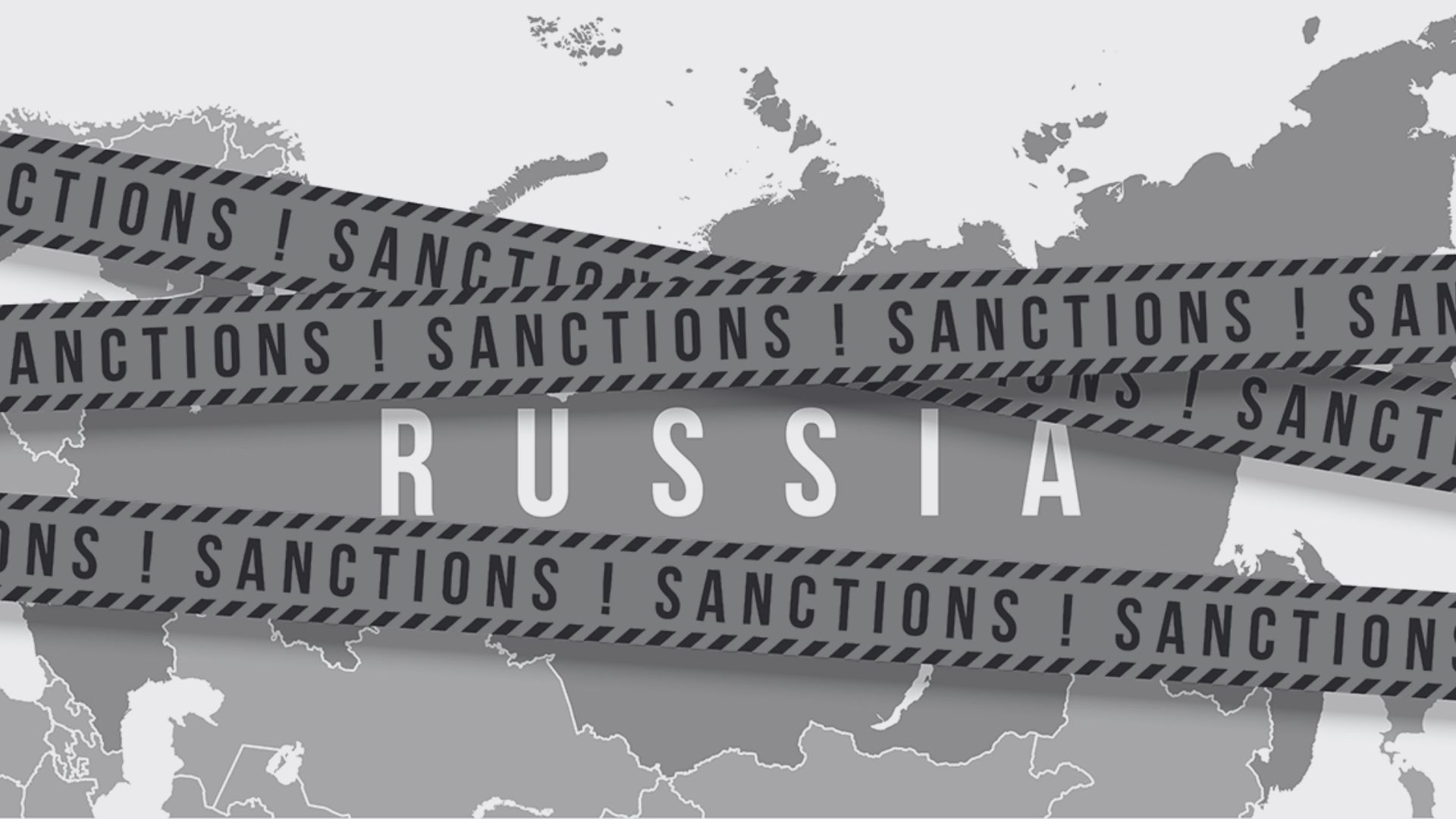
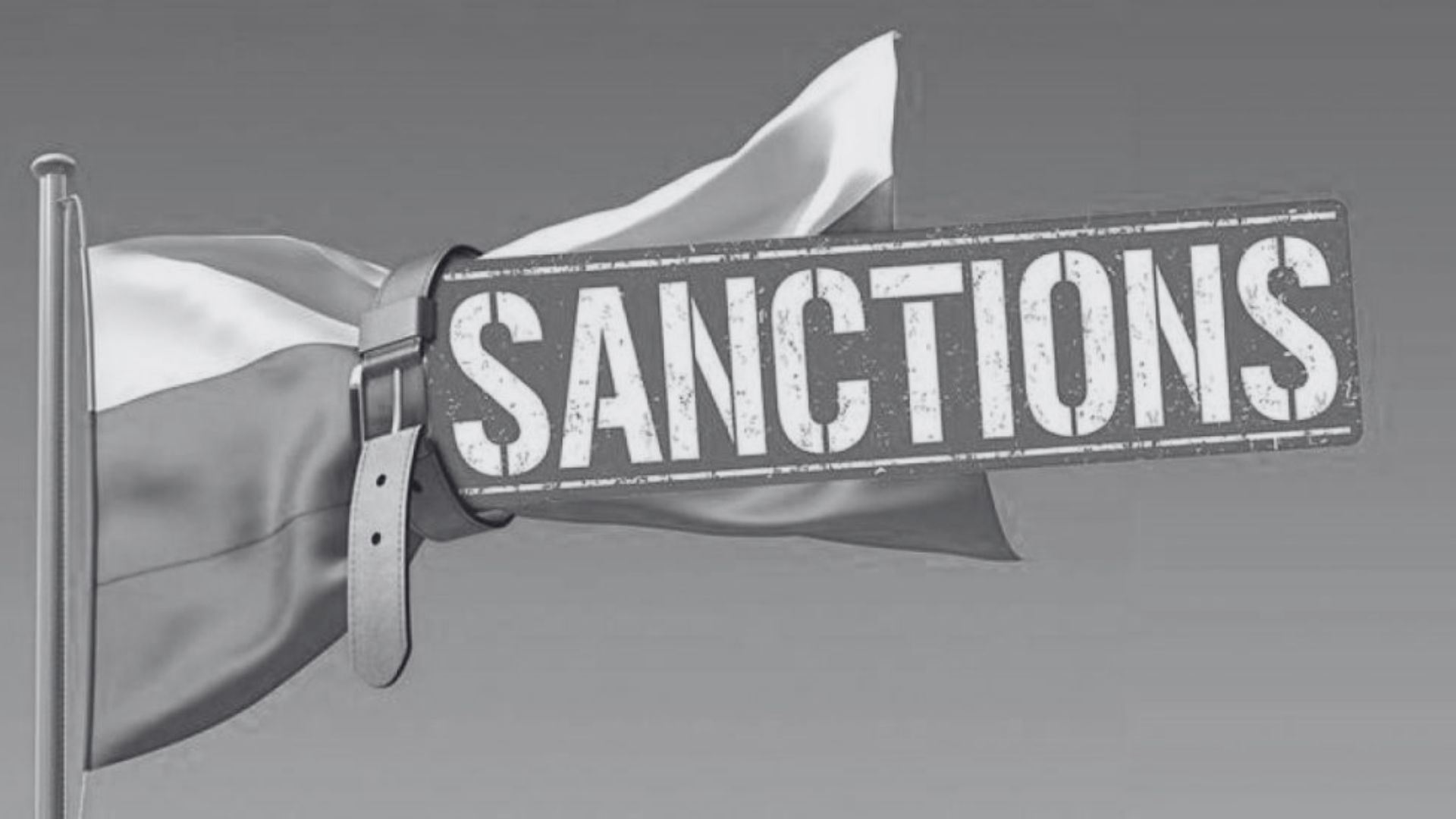
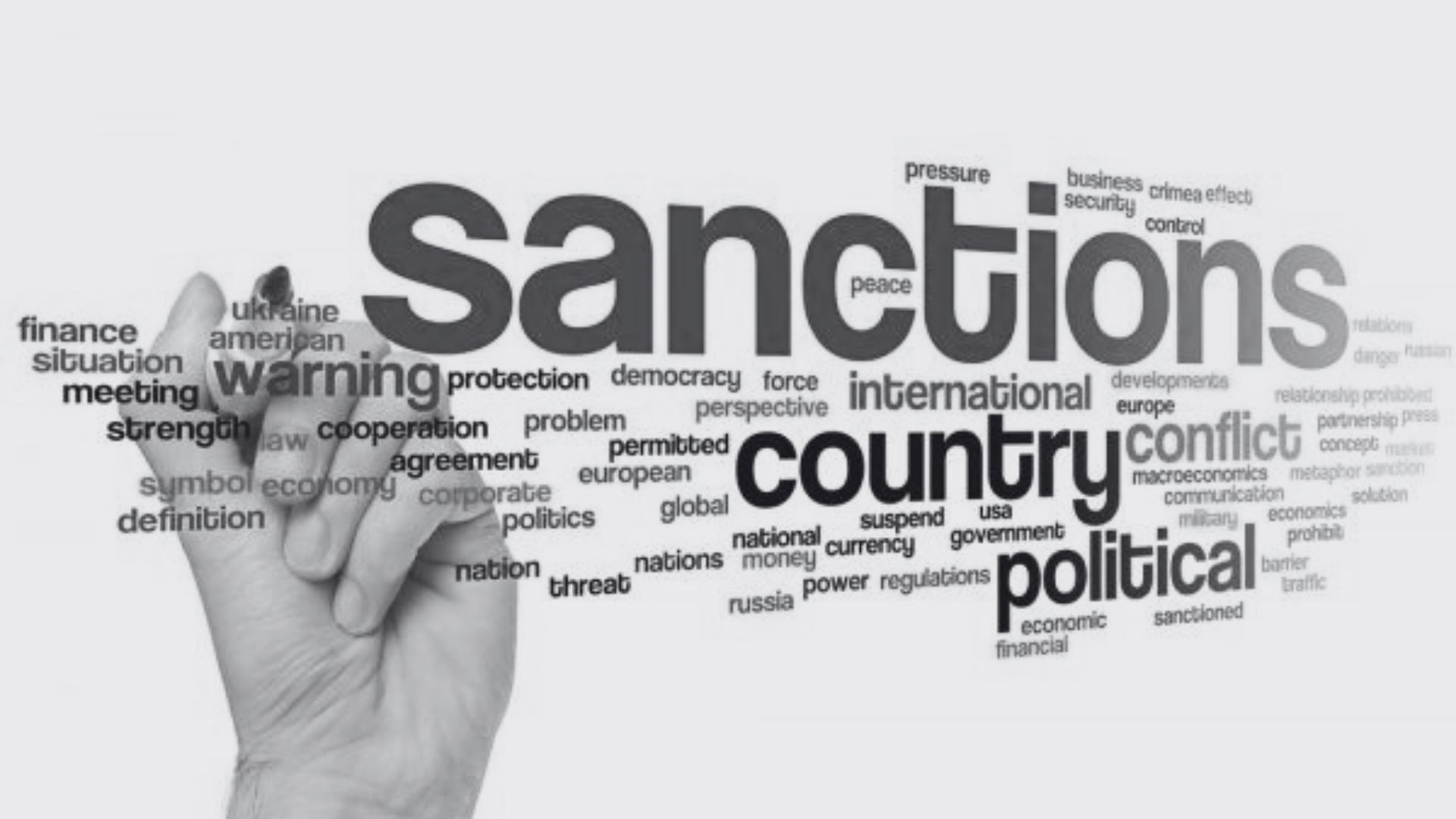
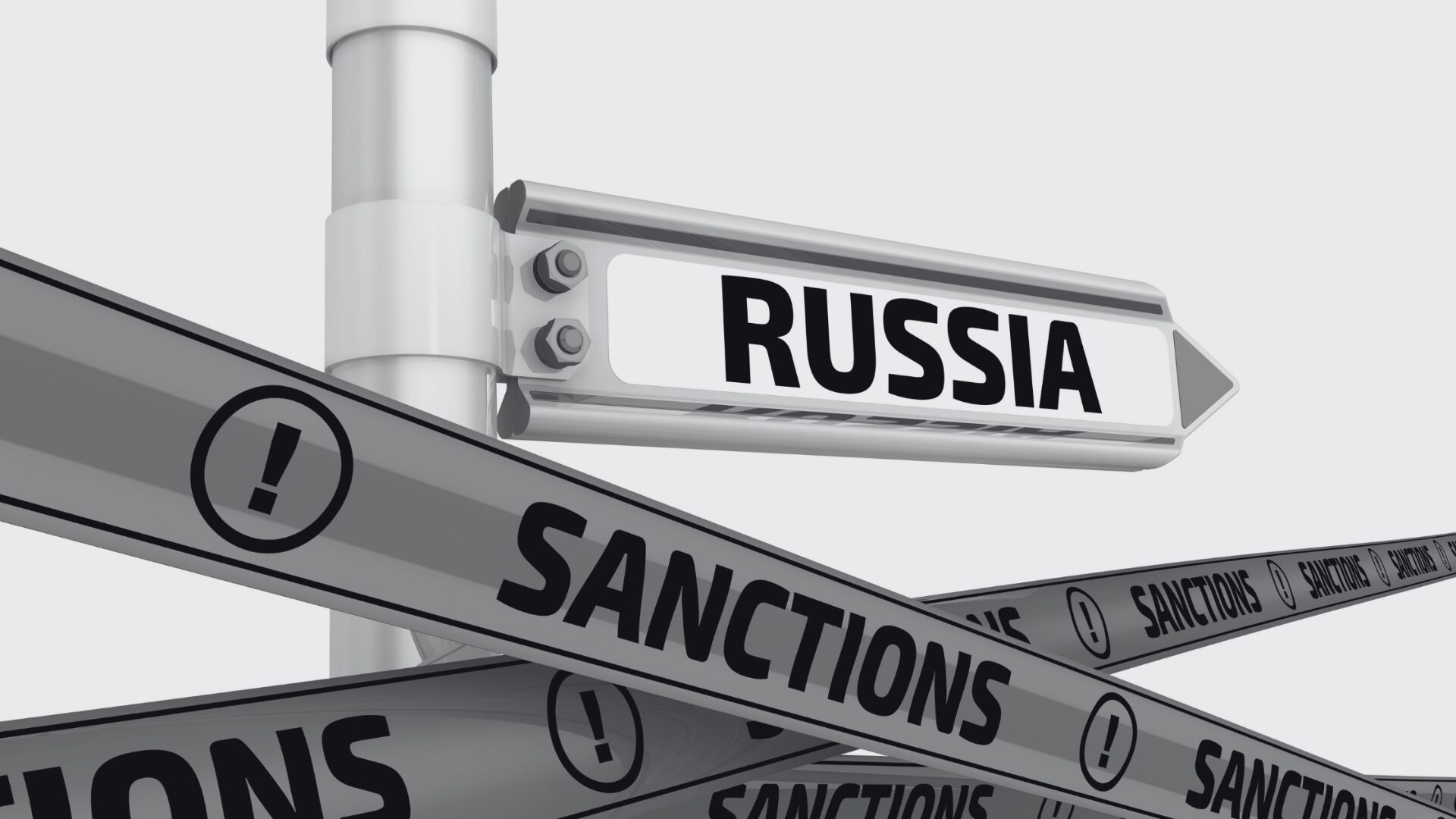
Since the beginning of Russia’s full-scale invasion of Ukraine in February 2022, Ukraine’s sanctions policy has significantly expanded and intensified. This step became necessary to protect national security, counter aggression, and block the economic, financial, and political resources of the aggressor state.
In response to military actions, the President of Ukraine introduced 53 decrees imposing sanctions on various individuals and legal entities involved in aggression against Ukraine. These measures are part of a broader global sanctions effort supported by the EU, the U.S., the UK, Canada, and other allies.
Expansion of the Sanctions List
To date, Ukraine has imposed sanctions on:
- 7,126 legal entities – companies, banks, corporations, and enterprises that directly or indirectly support Russia’s military machine.
- 10,085 individuals – politicians, military personnel, propagandists, businessmen, and others facilitating Russia’s aggressive policies.
The sanctions cover a wide range of spheres, including:
- Industry – restrictions on raw materials, equipment, and technology supplies for the Russian military-industrial complex.
- Logistics – banning the use of Ukrainian infrastructure and airspace.
- Telecommunications and media – blocking Russian media outlets, disinformation platforms, and telecom companies.
- Energy – sanctions against oil, gas, coal, and nuclear fuel suppliers.
- Science and education – terminating cooperation with Russian universities and research institutions.
- Government and military structures – targeting ministries, military enterprises, and authorities of occupied territories.
Who Is Affected by the Sanctions?
Ukraine’s sanctions lists include key figures from Russia’s leadership, including:
- The political elite, including the president, ministers, and State Duma deputies.
- Military-industrial complex leaders involved in weapons, ammunition, and military equipment production.
- Occupation authorities appointed by Russia in seized territories.
- Oligarchs financing the war and Russian propaganda campaigns.
- Security forces, including the FSB, Interior Ministry, National Guard, and armed units.
- Propagandists waging an information war against Ukraine.
- Foreign nationals supporting aggression, including businessmen, politicians, and mercenaries.
Economic Pressure and Nationalization of Assets
One of Ukraine’s key sanction measures has been the seizure of Russian assets within the country.
The High Anti-Corruption Court has already considered 47 cases of exceptional sanctions, involving the nationalization of Russians-owned assets, including companies, banks, and property.
The main goal of these measures is to redirect nationalized assets into Ukraine’s state budget to fund defense and rebuild war-torn infrastructure. This includes:
- Freezing bank accounts and financial transactions.
- Confiscating real estate, businesses, and transportation.
- Transferring strategically important enterprises under state control.
International Coordination of Sanctions
Ukraine actively cooperates with international partners to strengthen global sanctions pressure on Russia. Key measures include:
- Exclusion of Russia from SWIFT, blocking international financial transactions.
- Restrictions on technology exports, banning the supply of electronics, chips, and software.
- Energy embargo, cutting off oil, gas, and coal imports from Russia.
- Airspace closure, banning Russian airlines from international routes.
- Freezing Russian assets abroad, including bank accounts and real estate seizures.
Ukraine also calls for a total embargo on Russian oil and gas, which could significantly reduce Russia’s revenues and weaken its military capabilities.
Future Prospects for Sanctions Expansion
Ukraine’s sanctions policy continues to evolve. New initiatives under consideration include:
- Sanctions against countries helping Russia evade restrictions, including Iran, China, and Turkey.
- Seizure of Russian companies’ and oligarchs’ assets abroad.
- Legal bans on Russian ships in international ports.
- Restrictions on Russian exports of metals, precious stones, and other resources.
Conclusion
Following Russia’s full-scale invasion in 2022, Ukraine has significantly strengthened its sanctions policy, targeting thousands of individuals and legal entities. These measures have become an essential tool in the fight for independence, limiting the economic and financial resources of the aggressor.
Sanctions not only weaken Russia’s economy but also contribute to strengthening the international coalition against aggression. In the future, Ukraine’s sanctions policy will continue to expand, increasing global pressure on Russia until its aggression is stopped and Ukraine’s territorial integrity is fully restored.