Powered by

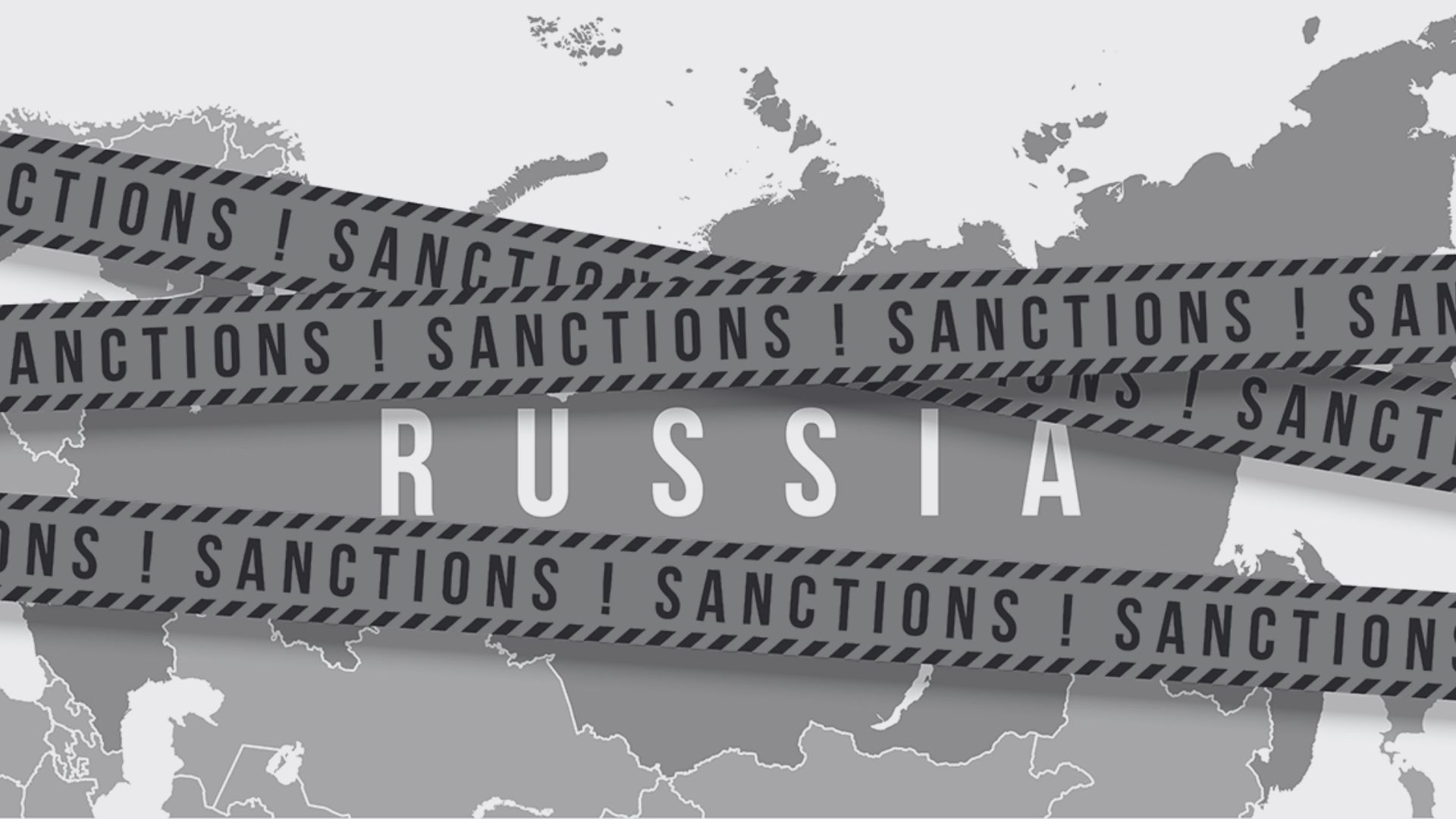
In 2014, Ukraine faced unprecedented challenges in its foreign policy and economic spheres, necessitating the implementation of special sanctions against various entities. The country’s legislation established two main types of sanctions:
Personal sanctions were first introduced in Ukraine in 2015, marking a significant step in counteracting external threats. The sanctions lists included Russian and pro-Russian politicians, cultural figures, financial institution representatives, businessmen, as well as companies and media outlets whose activities contributed to the destabilization of Ukraine.
Some of the most notable individuals subject to Ukrainian sanctions included:
Between 2015 and 2021, the President of Ukraine issued 45 decrees to impose sanctions, demonstrating the consistency and systematic nature of this policy. During this period, sanctions were imposed on 9,070 entities, including:
Over time, Ukraine’s sanctions policy expanded significantly, targeting not only individuals directly linked to Russian aggression but also those who financed or promoted actions against Ukraine.
Ukrainian sanctions include a wide range of restrictions, such as:
Ukraine’s sanctions policy is an integral part of broader international sanctions imposed by the European Union, the United States, the United Kingdom, Canada, and other countries against Russia and its allies. Kyiv actively cooperates with international partners to strengthen sanctions pressure, effectively blocking financial flows and restricting the activities of sanctioned entities.
Ukraine has also imposed sanctions on Belarusian and Chinese companies whose actions threatened national interests. Notably, in 2021, Ukraine blocked Chinese investors from acquiring the Motor Sich aviation engine manufacturing company, a crucial strategic move to protect national industry.
After 2021, Ukraine’s sanctions policy continued to evolve and tighten, especially in light of the full-scale war initiated by Russia in 2022. Kyiv actively participates in forming a global sanctions coalition, seeking to exclude Russian banks from international payment systems, restrict the export of technology to Russia, and block trade routes.
Sanctions remain a key instrument in Ukraine’s struggle to restore its territorial integrity and ensure international security. In the coming years, sanctions pressure is expected to increase, covering new economic sectors and influencing global politics.
Ukraine’s sanctions policy between 2014 and 2021 became an essential tool in countering aggression against the country. It included both sectoral and personal restrictions, affecting thousands of individuals and legal entities. The introduction of sanctions contributed to increasing international pressure on the aggressor and strengthening Ukrainian diplomacy.
Today, sanctions remain one of the most effective measures to limit the aggressive actions of Ukraine’s external adversaries and will continue to be applied until full territorial integrity and national stability are restored.