Powered by

In 2014, Ukraine adopted its first Law on Sanctions, introducing both sectoral and personal restrictions. The law outlined 24 specific sanctions, including asset blocking, trade restrictions, capital outflow prevention, and other economic measures.
Additionally, the legislation allowed for the imposition of “other sanctions that align with the principles of their application” (effectively a 25th category). This provision renders the list of sanctions open-ended, enabling flexibility in their enforcement.
The key body responsible for initiating and enforcing sanctions in Ukraine is the National Security and Defense Council of Ukraine (NSDC), which submits its decisions for approval to the President of Ukraine. Sanctions are also implemented in coordination with other government institutions, including:
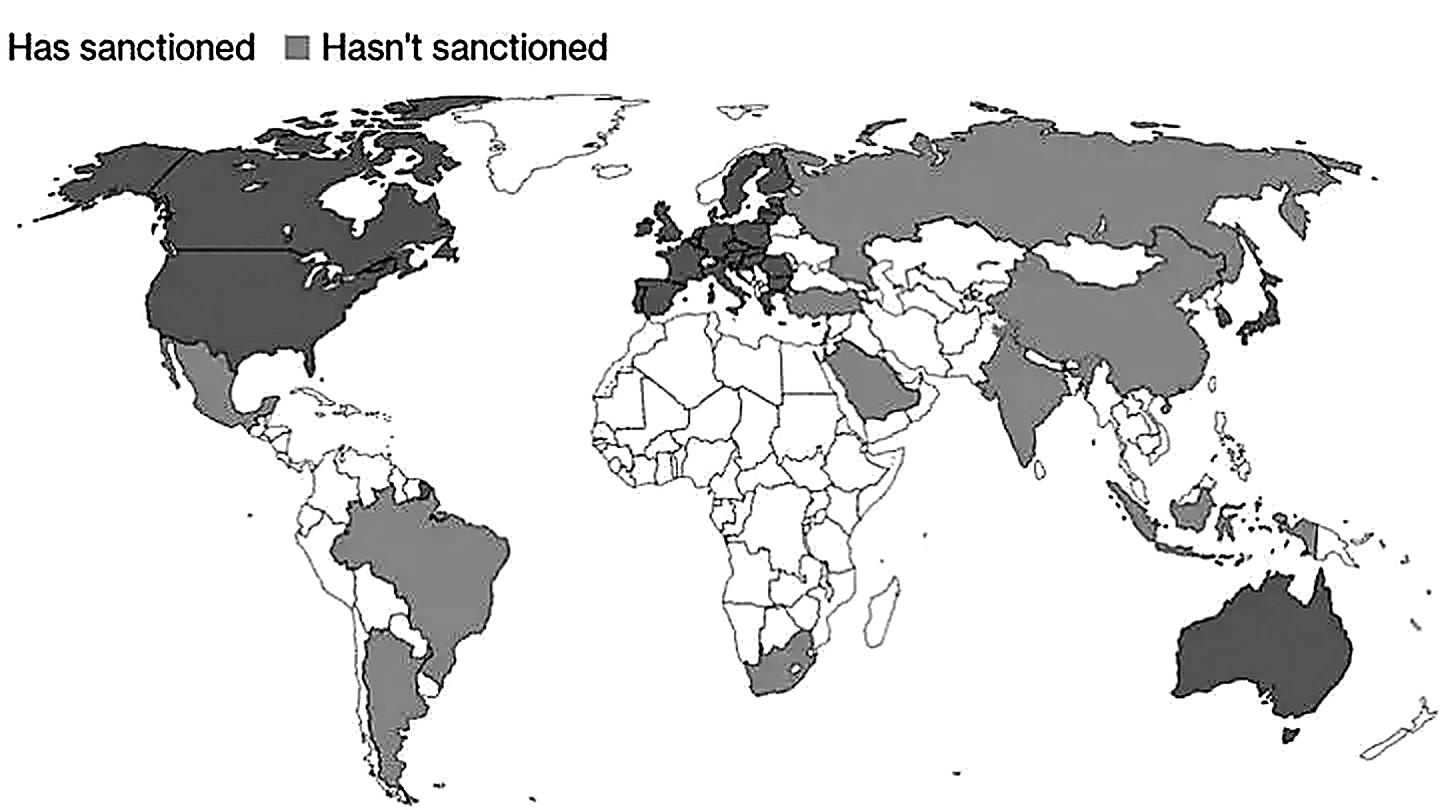
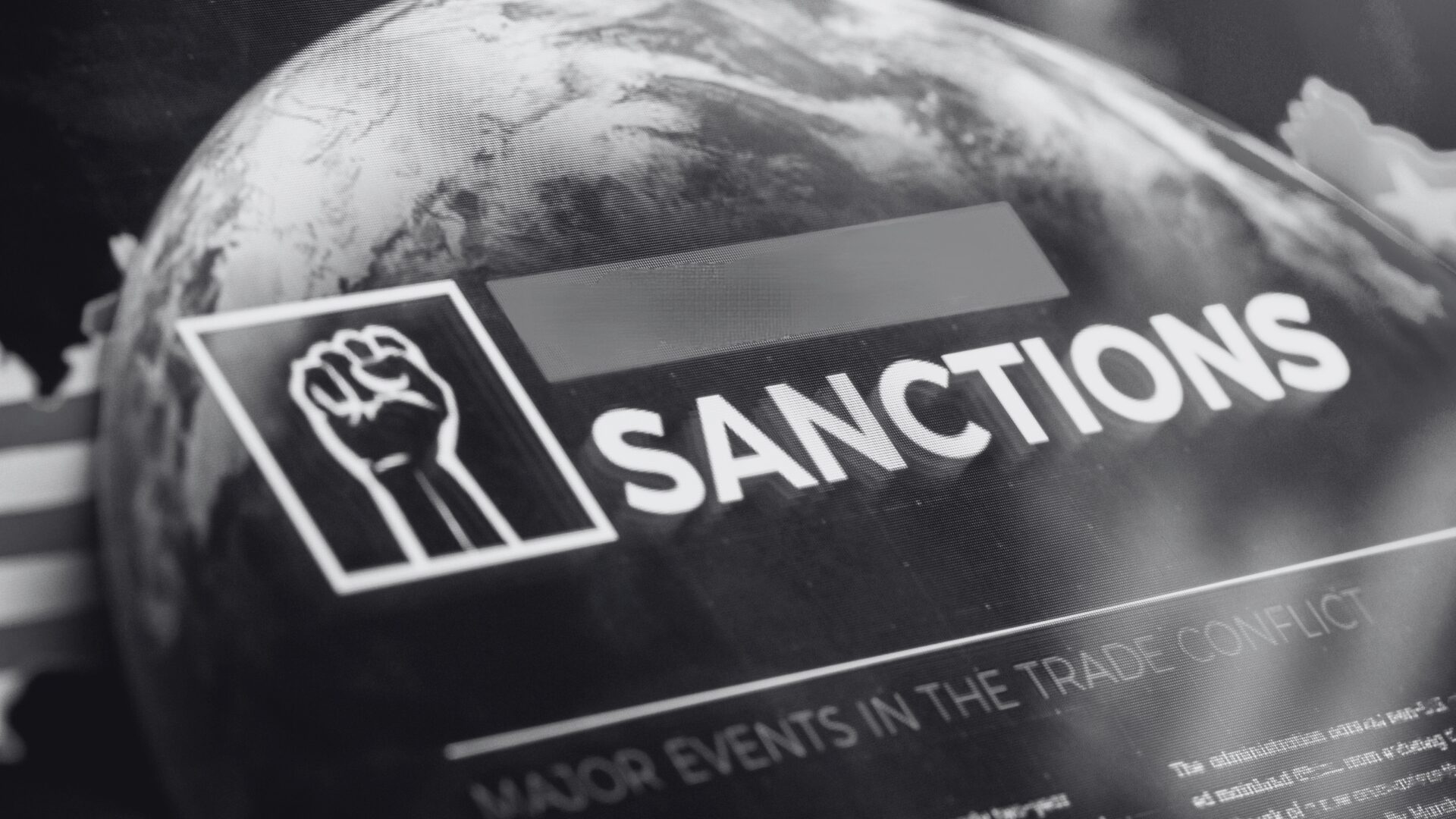
Sanctions against Russia. Bloomberg infographic
Following the full-scale invasion of Ukraine by the Russian Federation in February 2022, Ukraine significantly expanded its sanctions framework. New measures introduced after February 2022 include:
The most significant development, however, was the introduction of an exceptional sanction—the compulsory recovery of assets into the state budget (asset nationalization). This measure is applicable only during martial law and serves as a critical instrument in Ukraine’s economic response to security threats.
Ukraine closely collaborates with international partners, including the United States, the European Union, the United Kingdom, and other allies, to ensure the effectiveness of sanctions against individuals and entities supporting Russia’s aggression. This coordination has led to:
Ukraine has imposed sanctions on thousands of individuals and entities, including Russian oligarchs, propagandists, politicians, and companies linked to financing the war. Among the most notable cases:
To enforce these sanctions, Ukraine has created a national register of sanctioned individuals and entities, ensuring transparency and accountability. Legal mechanisms allow for challenging sanctions in Ukrainian courts, although successful appeals are rare.
Sanctions have had a significant impact on both Russia’s economy and Ukrainian domestic policy:
Ukraine’s sanctions policy remains a crucial instrument in countering security threats and economic aggression. By continuously adapting its measures, strengthening enforcement, and collaborating with international partners, Ukraine ensures that sanctions remain effective in restricting hostile activities and supporting national security.